




Advertisement
As Dubai continues to enhance its transport infrastructure, authorities are placing greater emphasis on efficient parking management supported by advanced monitoring systems. With the expansion of smart technologies, parking enforcement across the city has become more precise, making it increasingly important for motorists to stay informed and follow updated guidelines.
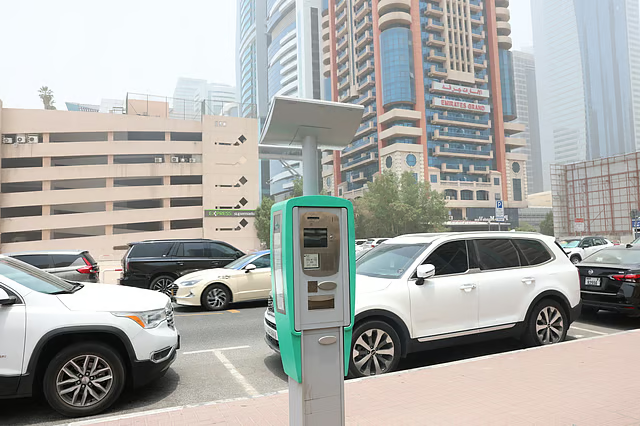
Officials highlight that the objective of parking regulations is to maintain fairness, improve space availability, and ensure smoother traffic flow, rather than simply penalising drivers. However, common mistakes continue to result in avoidable fines, particularly in busy commercial districts.
One of the most frequent issues is parking in the wrong zone. Dubai’s public parking system is divided into multiple categories, each with specific pricing and time limits. Premium zones typically have higher demand, stricter durations, and increased fees. Drivers are encouraged to check signage carefully or verify zone details through official mobile platforms before completing payment.
Failure to activate or maintain a valid parking session remains another leading cause of penalties. Despite the availability of multiple payment options, including mobile applications and digital services, some drivers overlook the need to ensure their session remains active throughout their stay. Using features such as automatic renewal or reminder notifications can help prevent unintentional violations.
Overstaying beyond the permitted duration is also closely tracked through automated systems and regular patrols. Even short delays can result in fines, making it essential for motorists to monitor their parking time and extend sessions when necessary.
Parking in restricted areas is another key concern. Spaces designated for emergency vehicles, accessibility use, public transport, or loading activities are strictly regulated. Violations in these areas often carry higher penalties and may lead to further action, so drivers should always review nearby signage before leaving their vehicles.
Accurate vehicle information is equally important. Incorrect or outdated registration details can lead to fines, even if payment has been made successfully. Drivers are advised to update their vehicle records promptly after any changes, such as new registrations or plate updates.
With the shift toward digital systems, physical parking tickets are no longer the primary proof of payment. Transactions are recorded electronically, meaning confirmation through official systems is what determines compliance. This change reduces reliance on paper tickets but requires drivers to ensure their digital payment is properly completed.
Motorists should also be aware that parking rules may vary in private locations such as shopping centres or multi-storey facilities. Many of these locations now use automated entry and exit tracking systems, where fees are calculated based on duration and must be settled within a specified timeframe.
As Dubai continues to expand its parking network, new zones are regularly introduced. Staying updated through official channels can help drivers avoid confusion and ensure compliance in newly regulated areas.
For those who frequently park in specific locations, long-term permits or subscription options may offer greater convenience and cost efficiency. Additionally, digital platforms allow drivers to review any issued fines and submit appeals if necessary.
Overall, understanding and following these guidelines can help motorists navigate Dubai’s evolving parking system with confidence, reducing the risk of fines while contributing to a more organised and efficient urban environment.
 Watch AD Unlock More
Advertisement


Advertisement


Advertisement


Advertisement