




Advertisement
As smart home devices become increasingly popular across the UAE, more residents are turning to connected cameras to monitor their homes, families, and pets. From video doorbells to indoor monitoring systems, these devices offer convenience and peace of mind through real-time access via mobile apps.
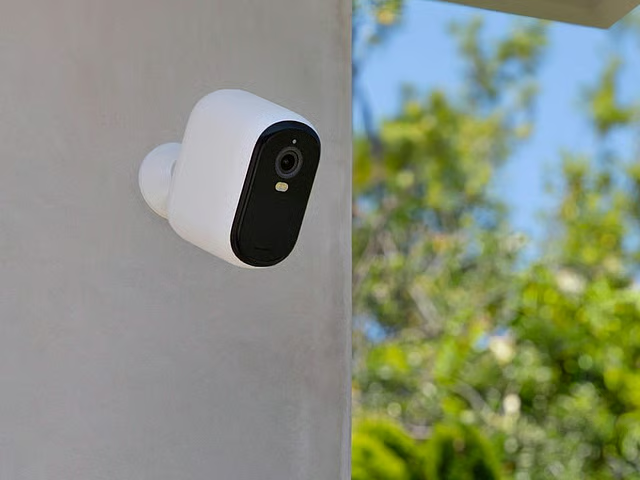
However, as adoption rises, so do concerns about digital safety. Experts warn that without proper safeguards, home cameras can expose sensitive data and create privacy risks. Understanding how to secure these devices is now an essential part of modern home safety.
Why camera security matters Smart cameras are connected to the internet, which makes them powerful but also potentially vulnerable. If security settings are weak or outdated, unauthorised access may occur, putting personal footage and account information at risk.
In many cases, these risks are not due to complex technical failures, but simple oversights such as unchanged default passwords or outdated software.
Choosing devices with built-in protection Security starts at the point of purchase. Devices that include data encryption and secure access controls offer stronger protection for video recordings and user accounts. For existing devices, users are encouraged to review settings through the official app or platform and ensure all available security features are enabled.
A few minutes spent checking these settings can significantly reduce exposure.
Securing your home network Since most smart cameras rely on home Wi-Fi, the network itself becomes a critical layer of defence. A strong and unique Wi-Fi password is essential, along with modern encryption standards such as WPA2 or WPA3.
Regular router updates also play a key role in maintaining security. Some users choose to connect cameras to a separate network from their main devices, adding an extra buffer that limits potential access to personal data stored elsewhere.
Keeping systems up to date Software updates are designed to address vulnerabilities and improve performance. Ensuring that both the camera system and its companion app are running the latest version helps close potential security gaps.
Automatic updates can simplify this process, but manual checks are also recommended from time to time.
Strengthening access controls Passwords remain one of the simplest and most effective forms of protection. Default login details should always be replaced with strong, unique combinations that are not used elsewhere.
Where available, additional verification steps such as two-step authentication can provide an extra layer of security, making it harder for unauthorised users to gain access.
Access to camera feeds should also be limited to trusted individuals. Some systems allow different permission levels, helping users control who can view, manage, or adjust settings.
Privacy considerations at home Beyond technical protection, responsible use is equally important. Cameras should be positioned carefully to avoid capturing private spaces or areas beyond the intended property.
Users are also advised to handle recorded footage with care. Sharing clips publicly without consideration can lead to privacy concerns and potential violations of local regulations.
Understanding local guidelines Authorities in the UAE have emphasised the importance of responsible installation and use of surveillance devices. Cameras are permitted in many environments, including residential buildings and commercial spaces, but certain private areas are strictly off-limits.
Recordings must be stored securely and used appropriately. Failure to follow established guidelines may result in penalties or further action.
Simple steps that make a difference Basic habits can go a long way in improving digital safety. Updating passwords, enabling additional verification, maintaining software, and limiting access are all practical steps that significantly reduce risk.
As smart homes continue to evolve, awareness remains the first line of defence. When used responsibly and secured properly, home cameras remain a valuable tool. Without those precautions, they can quickly become a point of vulnerability.
The takeaway is straightforward: a few simple actions can help protect not just your devices, but your privacy as well.
 Watch AD Unlock More
Advertisement


Advertisement


Advertisement


Advertisement